Why Messenger Buttons Convert Better Than Static Contact Pages
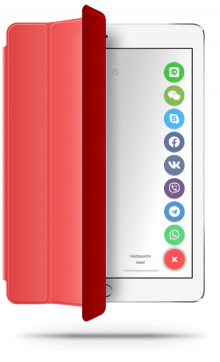
Messenger buttons often convert better than static contact pages because they turn intent into action immediately. Instead of asking the visitor to open a separate page, scan options, and commit to a longer form, the button offers one visible next step at the exact moment the question appears.
This guide is for business owners, marketers, agencies, and site managers who want a clearer contact path without turning the whole site into a chat app. You will see why the conversion gap happens, how to set up the button cleanly, where to place it, and when a contact page still matters.
Quick answer
- Messenger buttons convert better when they appear before the visitor has to hunt for contact details.
- The first action should be obvious: tap one button and start one clear message flow.
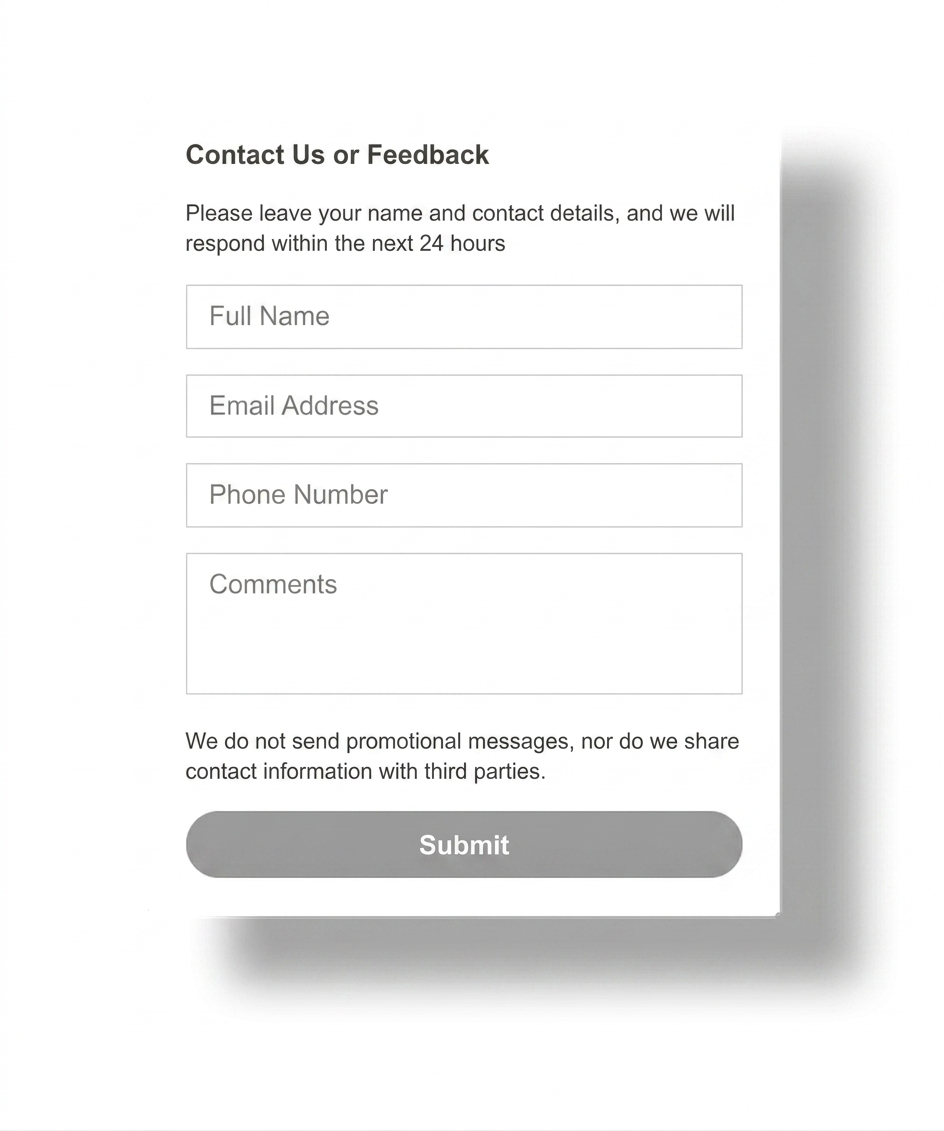
- Static contact pages still help, but they work better as fallback than as the only contact route.
- Placement and mobile spacing matter because friction can erase the conversion gain.
Why this conversion gap happens
Can you do this without coding?
Step by step: how to replace friction with a faster first action
- Identify the pages where visitors are most likely to hesitate before contacting you, such as pricing, service, product, booking, or local landing pages.
- Choose the messenger channel or small channel set your audience already trusts.
- Add the button where it stays visible before the visitor needs the contact page.
- Write CTA copy that promises a simple next step, such as sending a quick message or asking a question now.
- Keep the contact page for detailed briefs, attachments, or slower email-first enquiries.
- Test both mobile and desktop behavior so the button helps instead of blocking the page.
Who benefits most from this pattern
- Local businesses that get short pre-sale questions from mobile visitors.
- Freelancers and agencies whose visitors want reassurance before sending a full brief.
- Service businesses with pages that create interest but not enough momentum to push people to a separate contact page.
- Teams that want a lighter contact layer than full live chat software.
If your audience mainly wants one channel, the WhatsApp button guide and Telegram button guide show the channel-specific route.
Platform guidance for adding the button before the contact page
- WordPress: confirm the button does not compete with sticky menus or consent bars.
- Shopify and Wix: review product, service, and contact pages separately.
- Webflow and Joomla: keep placement consistent across templates.
- HTML sites: add the snippet once and avoid page-by-page drift.
- All platforms: test a real phone, not only desktop preview.
Placement and UX guidance
1
Show it before the visitor has to search
Service, pricing, product, and booking pages usually outperform a static contact page because intent is already active there.
2
Make the next step obvious
The label should tell the visitor what happens next, such as sending a quick message. Unclear generic CTAs lower trust.
3
Protect the layout
The button must not cover sticky CTAs, cookie notices, booking tools, forms, or checkout controls on mobile.
Why buttons usually beat static pages in the first conversion moment
Messenger buttons vs static contact pages
| Decision point | Messenger buttons | Static contact page | What usually converts better |
|---|---|---|---|
| Best for | Fast first questions and low-friction contact starts. | Longer enquiries, attachments, and structured detail. | Buttons for speed, pages for detail. |
| User effort | Low. | Medium to high. | Buttons, especially on mobile. |
| Visibility | Persistent on high-intent pages. | Often hidden behind navigation or footer links. | Buttons when placement is clean. |
| Best use | Pre-sales questions, quick qualification, short clarifications. | Quotes, long briefs, attachments, and fallback contact. | Use both, but let the button handle the first impulse. |
Handling the main objection: do you still need the contact page?
Common mistakes
Treating the contact page as the default answer
If every path sends the visitor to one static page, you create extra effort exactly when the visitor wanted a quick answer.
Showing too many channels
Choice overload lowers clicks. Offer only the apps your audience actually uses.
Using vague CTA copy
“Contact us” is weaker than a label that clearly promises a message-first next step.
Skipping mobile testing
If the button blocks forms, sticky bars, or booking tools, the conversion gain disappears.
- Choose one clear message-first action for the button.
- Place it on high-intent pages, not only behind a contact link.
- Limit the number of channels to what your audience actually uses.
- Keep the contact page as backup for longer requests.
- Test button visibility and overlap on a real phone.
Frequently asked questions about messenger buttons and contact pages
Why do messenger buttons convert better than static contact pages?
They usually convert better because they reduce delay, lower effort, and stay visible closer to the moment when the visitor wants to ask a quick question.
Can I add messenger buttons without coding?
Yes. Most websites can do this with one hosted script, snippet field, or custom code area.
Will messenger buttons work on mobile and desktop?
Yes, if you test both layouts. The button should stay easy to tap on mobile and should never cover sticky actions, forms, or checkout elements.
Should I use a plugin, app, or script for messenger buttons?
Use the lightest option your platform supports. A script is often easier to manage, while plugins or apps make sense when the platform strongly prefers them.
Should messenger buttons replace the contact page completely?
Usually no. A messenger button is better for fast first contact, while the contact page is still useful for long requests, project briefs, and attachments.
How many messenger buttons should a business show?
Usually one to three. Too many choices can slow people down before the first click.
What should I do if some visitors still prefer a form?
Keep the form as a fallback. Let the messenger button handle quick intent and let the form collect more detailed information when chat is not the right format.
Need a faster contact path than a static page can offer?
Launch a messenger button that catches intent early, keep the contact page as the right fallback, and give visitors one obvious way to start the conversation.