
WhatsApp Widget vs WhatsApp Business API: Which One Do You Need?
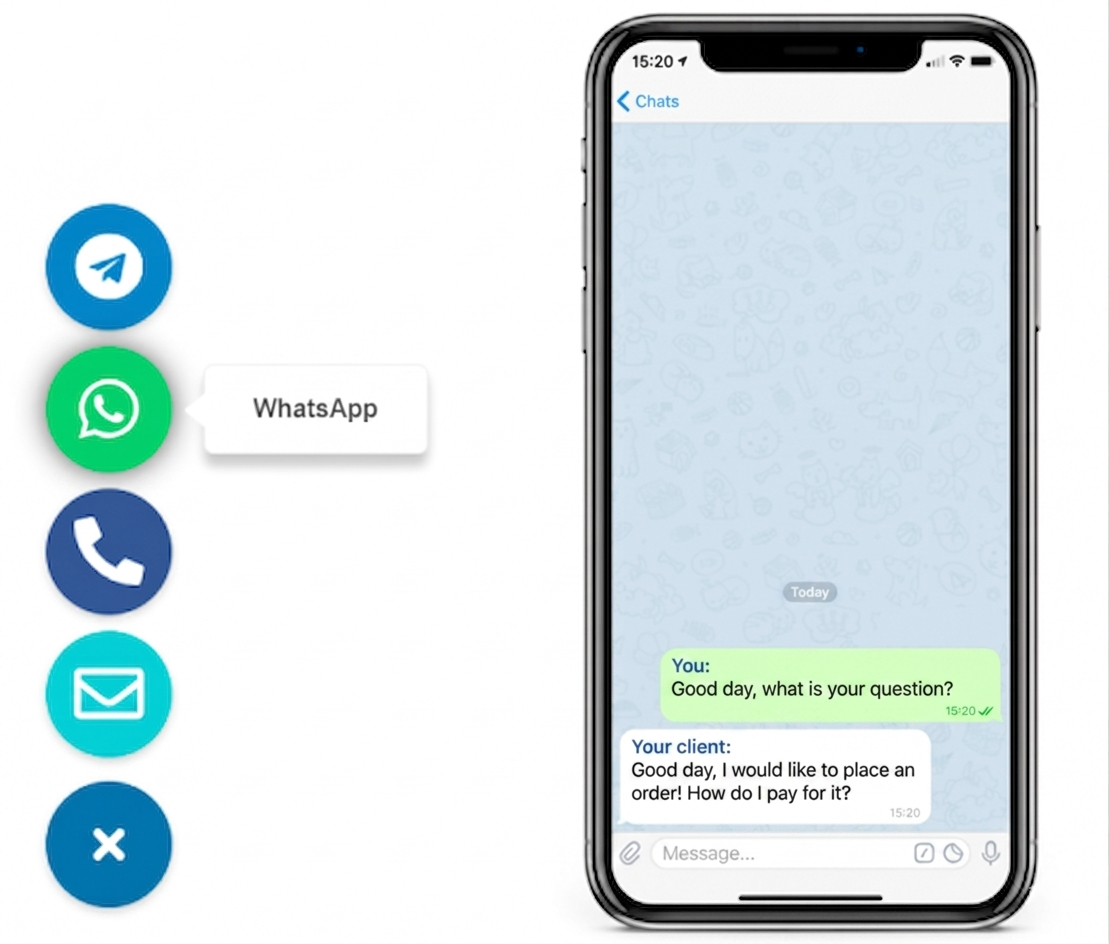
If you want to add WhatsApp contact to a website quickly, a WhatsApp widget is usually what you need because it gives visitors a clear button or floating entry point. If you need a more complex, developer-managed business messaging setup beyond a simple site button, WhatsApp Business API is the heavier path.
This guide is for website owners, marketers, freelancers, and agencies deciding between a visible website widget and a more advanced messaging setup. You will see which option fits no-code setup, platform choice, page placement, and real contact goals.
Quick answer
- Choose a widget when you need a visible website contact entry with fast no-code setup.
- Choose Business API only when a basic website widget is no longer enough for the business process.
- Do not confuse a website widget with a backend messaging setup. They solve different problems.
- For most marketing and service pages, start with the lighter website option first.
Why this matters
Can you choose between them without coding?
How to choose and set it up step by step
- Define the primary goal: simple website contact, or a heavier business messaging process.
- If the goal is website click-to-chat, choose a widget and keep the setup lightweight.
- If the business process is clearly beyond a basic site button, assess whether an API path is really justified.
- Map the pages where visitors are most likely to ask short pre-sale or service questions.
- Add one clear WhatsApp entry point and write CTA text that sets the right expectation.
- Keep a fallback contact path for visitors who do not want to use WhatsApp.
- Test mobile spacing, desktop visibility, and overlap with sticky elements before launch.
Who should usually start with a widget
- Small businesses that need website enquiries, not a heavy messaging stack.
- Service companies that want a fast contact shortcut on mobile and desktop pages.
- Freelancers and agencies that need no-code launch speed.
- Sites where the main job is reducing friction between visitor and first message.
If you are comparing contact methods more broadly, also read Contact Form vs WhatsApp Button. If your main question is platform setup, see WhatsApp Button for WordPress Without a Plugin and browse the YourChat blog.
Platform-specific guidance
- WordPress: keep the widget from covering menus, forms, or cookie notices.
- Shopify and Wix: test the button on sales pages, not only on the contact page.
- Webflow and Joomla: keep placement consistent across templates.
- HTML sites: avoid loading more than one competing floating contact widget.
Placement and UX guidance
1
Keep the widget visible, not dominant
The contact entry should be easy to find without taking over the page or fighting the primary CTA.
2
Place it where short questions happen
Pricing, product, service, and contact pages usually benefit most from a fast WhatsApp entry point.
3
Remember that API still needs an entry point
Even if a business later chooses a heavier messaging setup, visitors still need a clear front-end way to start contact on the website.
WhatsApp widget vs WhatsApp Business API at a glance
| Factor | WhatsApp widget | WhatsApp Business API |
|---|---|---|
| Main job | Visible website contact entry such as a button or floating chat trigger. | Heavier business messaging path for cases that go beyond a basic website widget. |
| Setup effort | Usually fast and practical for no-code or low-code website setup. | Usually a more demanding choice than simply adding a button to a website. |
| Best website fit | Marketing sites, local business pages, service pages, product pages, and simple lead flows. | Businesses whose messaging needs are no longer covered by a simple website contact layer. |
| Platform relevance | Directly relevant to WordPress, Shopify, Wix, Webflow, Joomla, and HTML placement. | Less about page builder choice and more about the wider business messaging requirement. |
| Launch speed | Usually faster for a team that just wants website enquiries from WhatsApp. | Usually slower than launching a basic site widget. |
| What most website owners should do first | Start here if the goal is simple website contact. | Consider later only if the widget no longer matches the real messaging process. |
Should you choose one or plan for both?
Common mistakes
Assuming widget and API are the same thing
One is a visible website contact layer. The other is a heavier business messaging path. Treating them as direct substitutes leads to the wrong setup.
Choosing the heavier option for a simple website need
If the job is just to let visitors message you from the site, complexity rarely helps.
Ignoring placement because the comparison feels technical
Even the right widget can underperform if it overlaps content, appears too late, or fights the main CTA.
Forgetting the fallback path
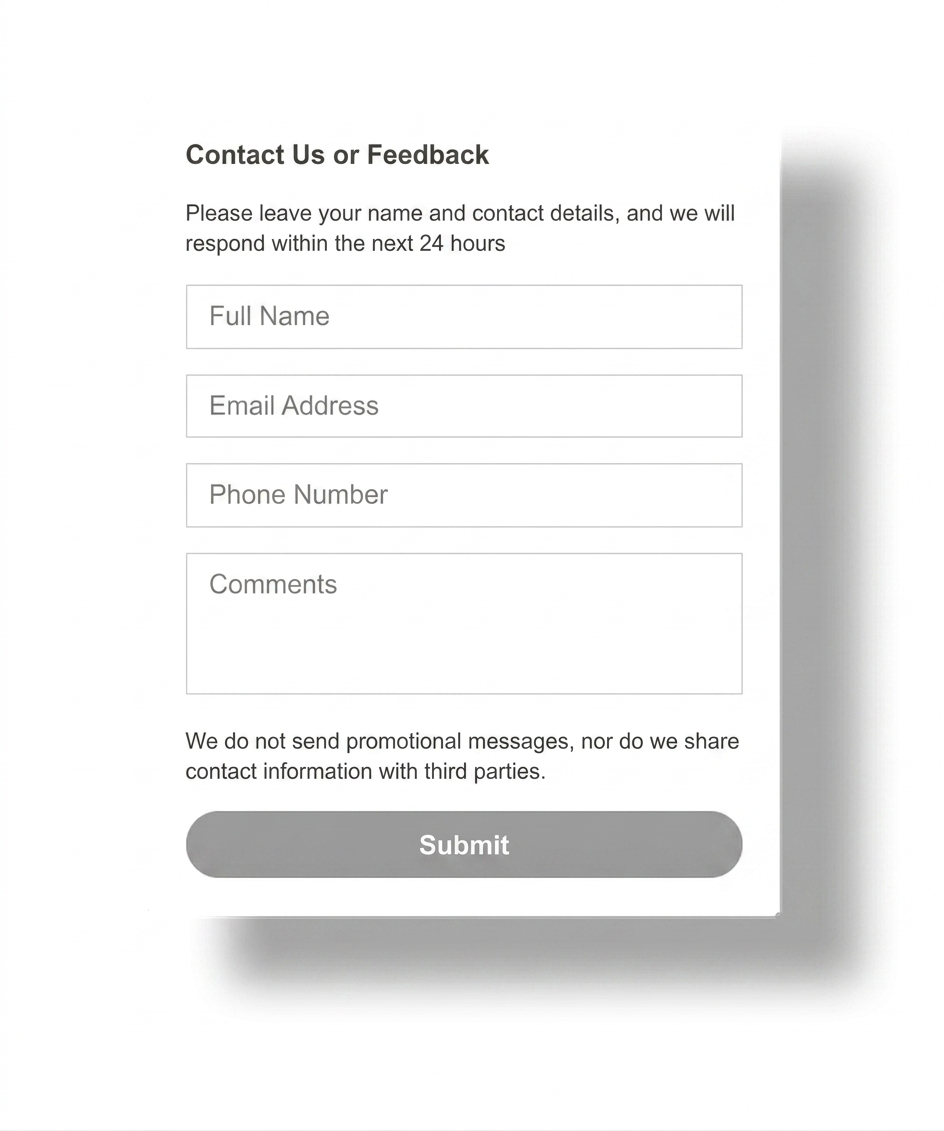
Some visitors will still prefer a form or email route, especially for longer or more detailed enquiries.
- Choose a widget if your goal is simple website contact through WhatsApp.
- Do not pick Business API only because it sounds more advanced.
- Keep one clear WhatsApp entry point per page.
- Test mobile overlap with sticky bars, menus, and cookie notices.
- Keep a fallback path for visitors who do not want to use WhatsApp.
Frequently asked questions about WhatsApp widget vs WhatsApp Business API
WhatsApp widget vs WhatsApp Business API: which one do you need?
Choose a widget when your goal is simple website contact with a visible button or floating entry point. Choose Business API only when a basic website widget no longer matches the real business messaging process.
Can I add a WhatsApp widget to my website without coding?
Yes. In most cases, a hosted widget or script-based setup is the easiest no-code route. You add one snippet and manage the visible widget without rebuilding page templates.
Will a WhatsApp widget work on mobile and desktop?
Yes, if you test both layouts carefully. The widget should stay easy to tap without blocking sticky bars, menus, cookie notices, or other conversion controls.
Should I use a plugin, script, or platform app for a WhatsApp widget?
Use the lightest option your platform supports. A script-based widget is often the simplest path, while plugins or platform apps are fallback choices when custom code placement is limited.
Is WhatsApp Business API better than a website widget?
Not by default. It is the heavier option and is not automatically better for a site that only needs a visible WhatsApp contact layer.
Can I start with a widget and move to Business API later?
Usually yes. Many businesses start with a simple website widget, learn what visitors need, and only consider a heavier API path later if the messaging process outgrows the basic setup.
Need the website-ready option first?
Launch a cleaner WhatsApp widget, give visitors a familiar messaging path, and keep your website contact flow easier to manage before you consider a heavier setup.