WhatsApp Button vs Email Link for Website Contact
For most business websites, a WhatsApp button is better when visitors want a fast answer from mobile or service pages. An email link is better when enquiries are detailed, formal, or likely to include attachments. The right choice depends on reply speed, visitor device, and the kind of question you expect.
This guide is for owners, marketers, freelancers, and agencies choosing a practical website contact path. You will see when messaging beats email, how both options work without coding, and where each one fits best across common pages and platforms.
Quick answer
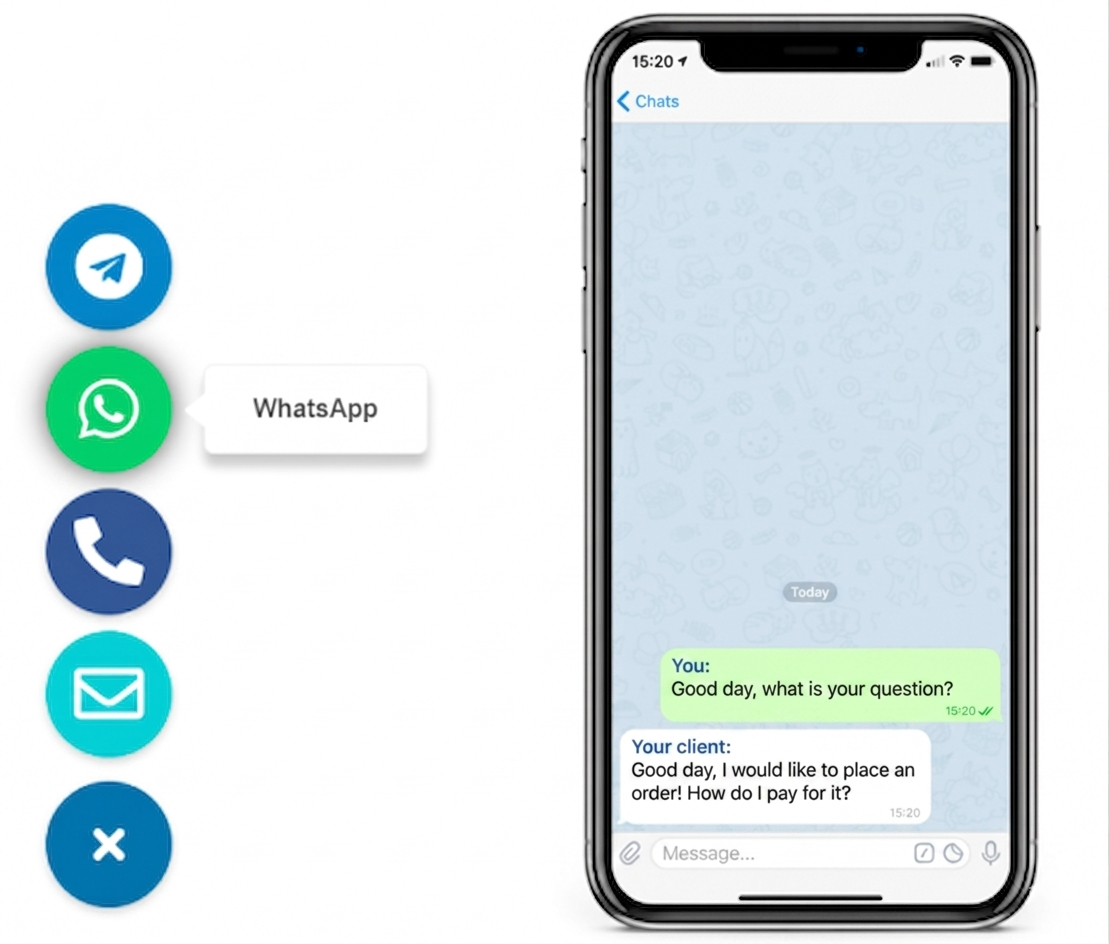
- Choose WhatsApp when speed, mobile convenience, and quick first contact matter most.
- Choose an email link when the message is likely to be longer, more formal, or attachment-heavy.
- Do not force mobile visitors into email if fast response is part of the sales promise.
- Match the contact option to page intent, reply capacity, and device behavior.
Why this matters
Can you test WhatsApp button vs email link without coding?
mailto: URL, and a WhatsApp button can be added with a hosted script or widget snippet. That means you can compare contact behavior without rebuilding the site. If you need the direct setup path first, read How to Add a WhatsApp Button to Website and the broader floating chat widget guide.How to choose and set it up step by step
- List the pages where visitors ask short pre-sale questions versus pages where they send detailed project or support requests.
- Decide how quickly your team usually replies in WhatsApp and in email, not how quickly you hope to reply.
- Add a WhatsApp button on pages where speed and low-friction first contact matter most.
- Keep an email link for contact, support, or quote pages where structure, attachments, or formality matter more.
- Write clear CTA text so visitors know whether they will start a message or open their mail app.
- Test mobile behavior, mail app handling, and overlap with sticky elements before going live.
Who usually benefits most from WhatsApp first
- Local businesses that get many mobile-first enquiries.
- Service companies that win leads by answering one short question quickly.
- Freelancers and agencies that want quick lead capture before sending a longer email later.
- Sites where visitors already expect messaging more than opening a mail client.
If you are comparing contact methods more broadly, also read Contact Form vs WhatsApp Button. If your main question is platform setup, see WhatsApp Button for WordPress Without a Plugin.
Platform-specific guidance
- WordPress: keep the button from covering menus, forms, or cookie notices.
- Shopify and Wix: test WhatsApp on commercial pages first, not only on the contact page.
- Webflow and Joomla: keep the primary channel consistent across templates.
- HTML sites: make sure the email link opens correctly on desktop and mobile.
Placement and UX guidance
1
Keep one primary action
Do not place WhatsApp and email as equal floating actions in the same corner. Choose one clear primary contact path.
2
Match the page intent
Use WhatsApp on pricing, service, and product pages where one short question blocks the next step. Keep email for quote, support, or document-heavy requests.
3
Protect mobile usability
The contact entry should stay tappable without blocking sticky CTA bars, add-to-cart buttons, cookie banners, or bottom navigation.
WhatsApp button vs email link at a glance
| Factor | Email link | WhatsApp button |
|---|---|---|
| Best for | Detailed enquiries, formal communication, file sharing, and support cases that need structure. | Fast first contact, short pre-sale questions, mobile visitors, and low-friction lead capture. |
| Response expectation | Lower urgency, but often slower because the user has to open a mail app and write more. | Higher immediacy with a lighter first step, especially when the user already has WhatsApp open. |
| Mobile experience | Inconsistent when the device has no preferred mail app or the handoff feels clumsy. | Usually cleaner for mobile because it hands off to a familiar messaging flow. |
| Staffing pressure | Lower pressure on immediate replies, but longer threads often take more effort to process. | Higher volume of quick enquiries, but easier to start and manage as a simple first-contact channel. |
| Best page placement | Contact pages, support pages, quote requests, careers, and footer contact areas. | Service, product, pricing, and general enquiry pages that need low-friction first contact. |
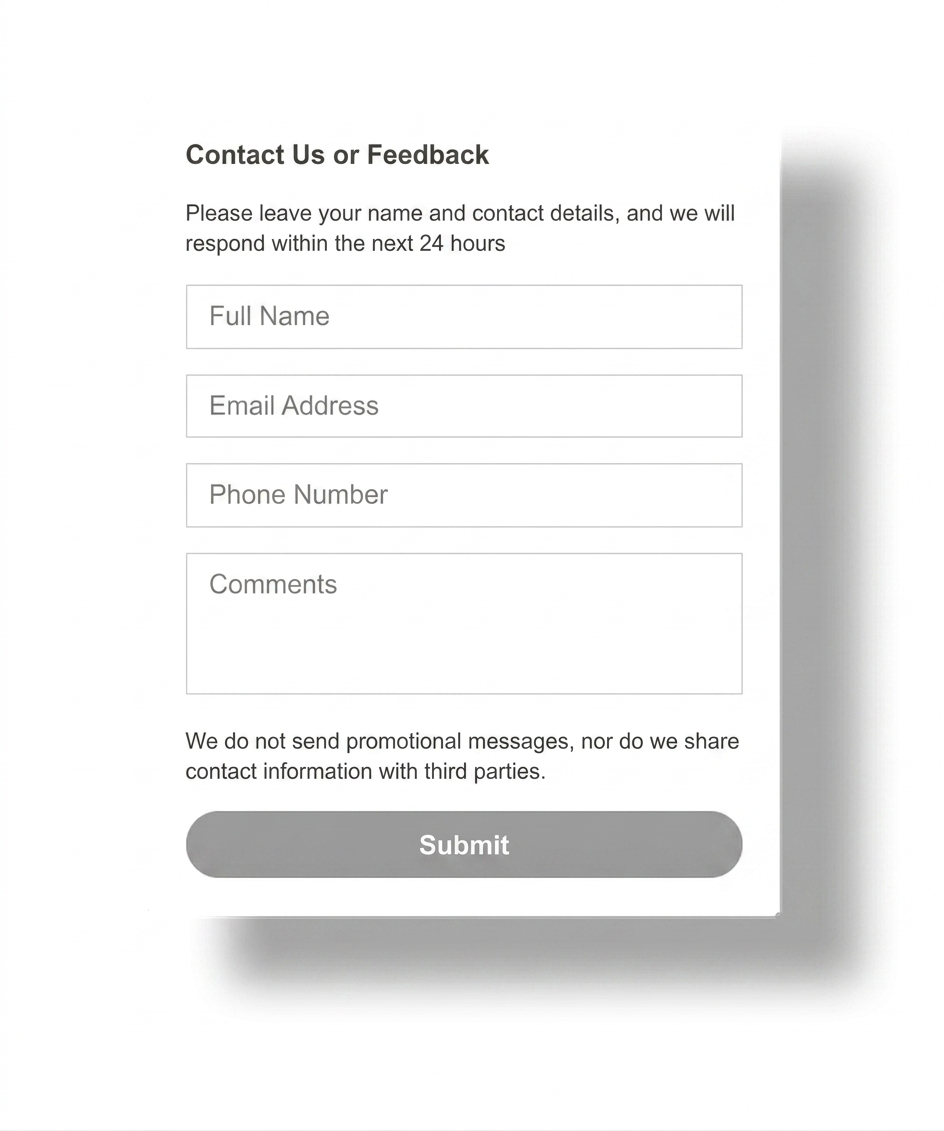
| Fallback need | Still benefits from a faster path when the visitor only has one short question. | Still benefits from email or a form for longer, structured, or attachment-heavy requests. |
Should you choose one or keep both?
Common mistakes
Using only email on high-intent pages
If the visitor has one short question before buying, email can add too much friction and delay the conversation.
Treating WhatsApp as the right answer for every request
Some cases need attachments, formal records, or longer explanations. Email still has a valid role.
Hiding the difference between the channels
Visitors should know whether they will open WhatsApp or their mail app. Vague CTA labels reduce trust.
Testing only on desktop
Many leads come from mobile. If the WhatsApp button overlaps key controls or the email link opens badly, conversion drops fast.
- Use WhatsApp on pages where fast first contact matters more than formality.
- Keep email for quotes, support, attachments, or longer written requests.
- Choose one primary contact action per page, not two competing ones.
- Test mobile overlap, mail app behavior, and CTA clarity on real devices.
- Keep a secondary fallback path for after-hours or structured enquiries.
Frequently asked questions about WhatsApp button vs email link
WhatsApp button vs email link: which is better for website contact?
A WhatsApp button is usually better for faster first contact, especially on mobile. An email link is better for formal, detailed, or attachment-heavy requests.
Can I add a WhatsApp button or an email link without coding?
Yes. An email link only needs a mailto URL, and a WhatsApp button can be added with a hosted script or widget snippet.
Will a WhatsApp button and an email link work on mobile and desktop?
Yes, but they behave differently. WhatsApp is usually smoother on mobile, while email links depend on the device having a default mail app configured.
Should I use a plugin, script, or platform app for this setup?
Use the lightest option your platform supports. A mailto link handles email, and a script-based WhatsApp button is usually the cleanest no-code choice for messaging.
Is an email link better than a WhatsApp button for support-heavy websites?
Often yes when the request needs detail, attachments, or a formal thread. For quick pre-sale questions, a WhatsApp button usually lowers friction more effectively.
Should a small business use both an email link and a WhatsApp button?
Yes, if each one has a clear role. Most small businesses should use WhatsApp as the fast path and keep email as the fallback for structured enquiries.
Need the faster contact option on your website?
Launch a cleaner WhatsApp button, give visitors a familiar messaging path, and keep email as the fallback for longer requests when needed.