WhatsApp Button vs Chatbot for Small Business Websites
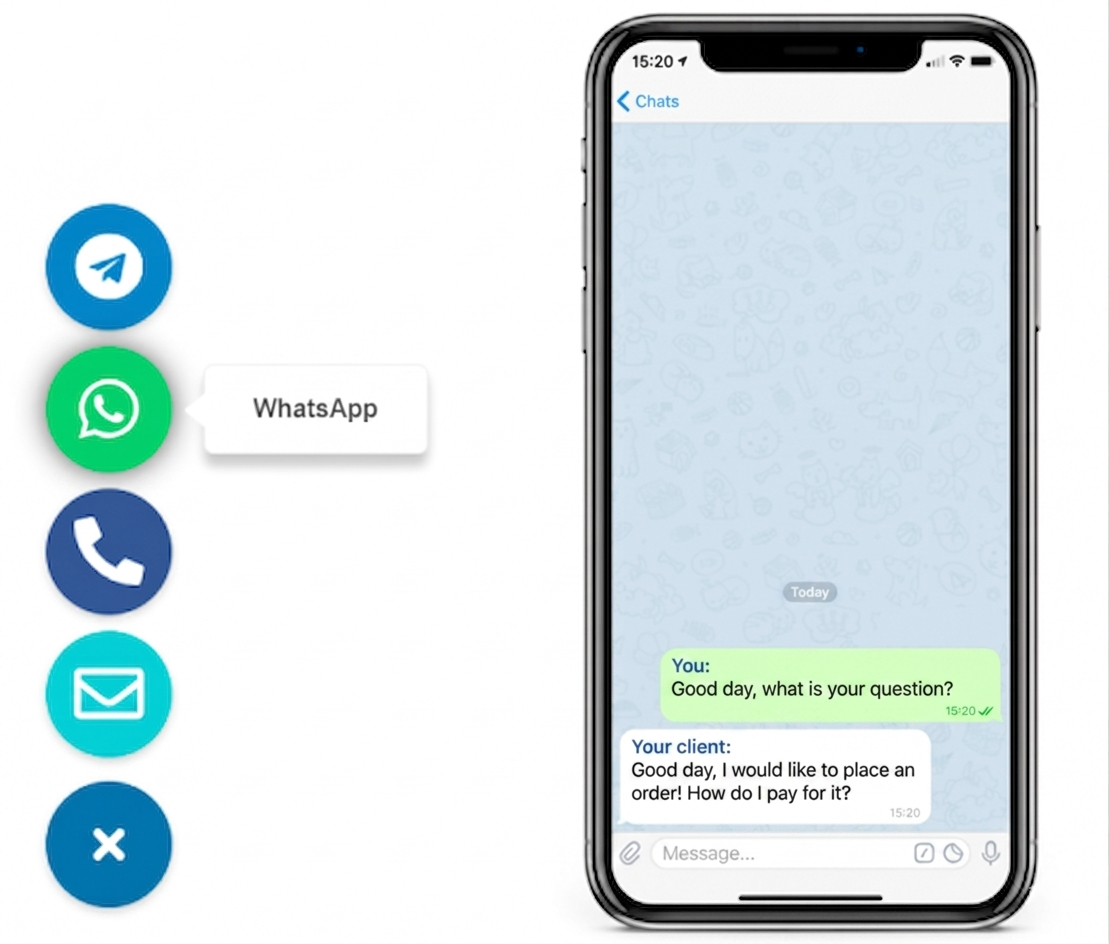
For most small business websites, use a WhatsApp button when visitors want a quick human reply and your team can follow up from a phone. Choose a chatbot when you need basic qualification, repeated answers, or after-hours enquiry capture before a person steps in.
This guide is for owners, marketers, freelancers, and agencies comparing direct messaging with automated website chat. You will see which option fits your traffic, how to test it without coding, and where each tool helps or hurts conversion.
Quick answer
- Choose WhatsApp when the main goal is direct human contact with low friction.
- Choose a chatbot when you need first-line filtering, FAQs, or after-hours intake.
- Do not make visitors choose between two competing floating contact tools.
- Match the tool to intent, staffing reality, and mobile behavior.
Why this matters
Can you test WhatsApp button vs chatbot without coding?
How to choose and set it up step by step
- Map your high-intent pages and note where visitors mainly want a human answer versus a guided first step.
- List the repeated questions your team answers every week and decide whether they are simple enough for automation.
- Add a WhatsApp button if direct conversation is the fastest route to booking, quoting, or qualifying.
- Use a chatbot only if it reduces friction by routing, qualifying, or answering simple questions before handoff.
- Write clear entry text so visitors know whether they will message a person or start an automated flow.
- Test mobile spacing, first-message clarity, and overlap with sticky elements before going live.
Who usually benefits most from WhatsApp
- Local businesses that get many mobile-first enquiries.
- Service companies where leads want to confirm price, timing, or availability with a person.
- Freelancers and agencies that want fast lead capture without building a branching bot flow.
- Sites where visitors already trust messaging more than form funnels or scripted chat.
If you are comparing contact methods more broadly, also read Contact Form vs WhatsApp Button. If your main question is platform setup, see WhatsApp Button for WordPress Without a Plugin.
Platform-specific guidance
- WordPress: keep the entry point from covering menus, forms, or cookie notices.
- Shopify and Wix: test on sales pages first, not only on the contact page.
- Webflow and Joomla: keep launcher text and placement consistent across templates.
- HTML sites: avoid loading more than one competing contact widget.
Placement and UX guidance
1
Keep one primary launcher
Do not ask visitors to pick between a WhatsApp bubble and a chatbot bubble with equal visual weight on the same page.
2
Match the page intent
Use WhatsApp on pricing, service, and product pages where short human answers unblock the next step. Use a chatbot where routing or repeated questions matter more.
3
Protect mobile usability
The chosen contact entry should stay tappable without blocking sticky CTA bars, add-to-cart buttons, cookie banners, or bottom navigation.
WhatsApp button vs chatbot at a glance
| Factor | Chatbot | WhatsApp button |
|---|---|---|
| Best for | Businesses that need first-line qualification, common answers, or after-hours lead capture. | Small businesses that want fast direct contact with a real person. |
| Conversation feel | Guided and structured, but less personal if the flow is too rigid. | Direct and familiar, especially for mobile-first visitors. |
| Mobile experience | Can help with quick triage, but larger launchers and multi-step flows add friction on small screens. | Usually cleaner for mobile because it hands off to a familiar messaging flow. |
| Setup effort | Higher if you need branches, fallback rules, and message logic that actually matches user intent. | Lower when you only need a clear button and a human reply path. |
| Best page placement | FAQ-heavy support pages, lead qualification pages, or after-hours enquiry flows. | Service, product, pricing, and general enquiry pages that need low-friction first contact. |
| Main risk | Over-automation that blocks people from asking a simple real question. | No upfront qualification if the team really needs structured intake before replying. |
Should you choose one or keep both?
Common mistakes
Automating questions that need a human answer
If buyers mainly want reassurance, a bot flow can slow them down instead of helping.
Showing both tools as equal primary choices
Visitors hesitate when WhatsApp and a chatbot compete for the same spot and promise similar outcomes.
Making the bot too long
Each extra step increases drop-off, especially on mobile pages where the visitor only wants one quick answer.
Testing only on desktop
Small business leads often come from mobile. If the launcher or bot window overlaps key controls, conversion drops fast.
- Choose WhatsApp if visitors mainly want a real person quickly.
- Choose a chatbot only if it shortens repeated questions or after-hours intake.
- Keep one primary floating contact action per page.
- Test mobile overlap with sticky bars, menus, forms, and checkout controls.
- Keep a human fallback path when automation cannot resolve the question.
Frequently asked questions about WhatsApp button vs chatbot
WhatsApp button vs chatbot: which is better for a small business website?
A WhatsApp button is usually better when visitors want a quick human reply. A chatbot is better when you need basic qualification, repeated answers, or an after-hours intake layer before a person replies.
Can I add a WhatsApp button or chatbot without coding?
Yes. Most small business websites can add either option with a hosted script, app, or widget snippet, without rebuilding the site.
Will a WhatsApp button and chatbot work on mobile and desktop?
Yes, if you test both layouts. The contact entry should stay visible without blocking sticky bars, menus, forms, or other conversion controls.
Should I use a plugin, script, or platform app for this setup?
Use the lightest option your platform supports. A script-based WhatsApp button is often simpler, while a chatbot usually depends on an embedded provider or platform app.
Is a chatbot better than a WhatsApp button for support-heavy websites?
Sometimes, especially when questions repeat and the first step can be structured. If visitors mainly want to talk to a real person, a WhatsApp button usually feels more direct and converts faster.
Should a small business use both a chatbot and a WhatsApp button?
Only if each channel has a clear role. Most small businesses should choose one primary fast-contact path and keep a separate fallback for structured intake or off-hours enquiries.
Need the simpler human-first contact option?
Launch a cleaner WhatsApp button, give visitors a familiar messaging path, and keep your website contact flow easier to manage before you invest in a heavier chatbot flow.