
BEST WEBSITE MESSENGER WIDGET
A practical guide for simple customer contact
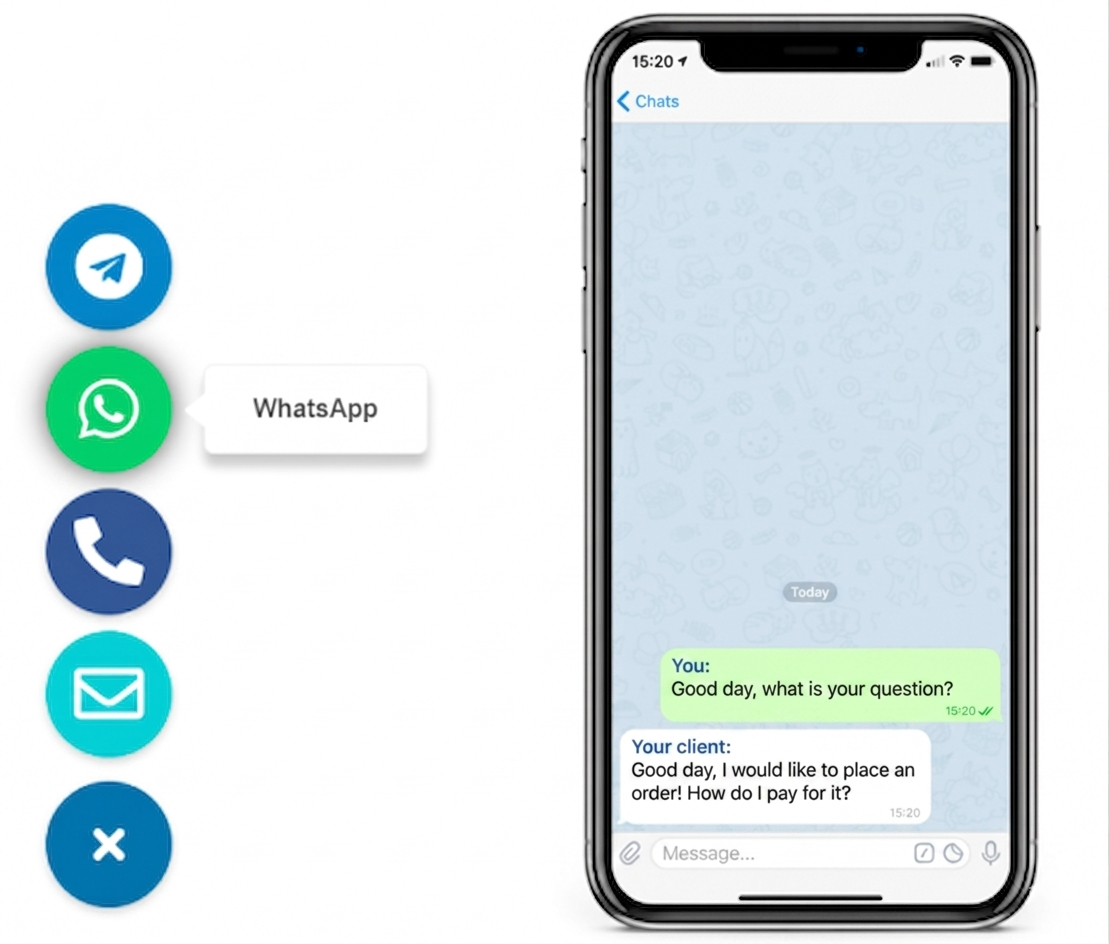
The best website messenger widget for simple customer contact is usually a lightweight floating widget that opens one clear messaging path, works on mobile, and avoids the friction of a full live chat system.
This page is for businesses, agencies, local services, online stores, and lean teams that want visitors to reach them quickly through a clean messenger widget instead of a slower or more complicated contact flow.

WHY THIS CHOICE MATTERS
simple customer contact works better when the first click feels obvious
A weak messenger widget creates hesitation. It shows too many channels, sits in the wrong place, or feels like support software when the visitor only wants to ask one quick question. The best widget keeps the first step short, visible, and easy to trust.
If you want the broader setup process first, compare this page with How to add messenger buttons to a website and the WhatsApp button setup guide.
NO-CODE SETUP
You can add a good messenger widget without rebuilding your website

one script is usually enough for a clean launch
For most websites, the cleanest messenger widget route is a hosted script-based setup. You place one snippet, keep the widget separate from the page layout, and avoid rebuilding templates every time you adjust your contact options.

How to choose and launch the right messenger widget
- Choose the main customer action you want: quick question, quote request, or channel choice.
- Limit the widget to one primary messenger or a short list of real channels.
- Add the script once at site or template level instead of page by page.
- Place the widget on high-intent pages where visitors are most likely to contact you.
- Check the widget on desktop and on a real phone before treating the setup as finished.
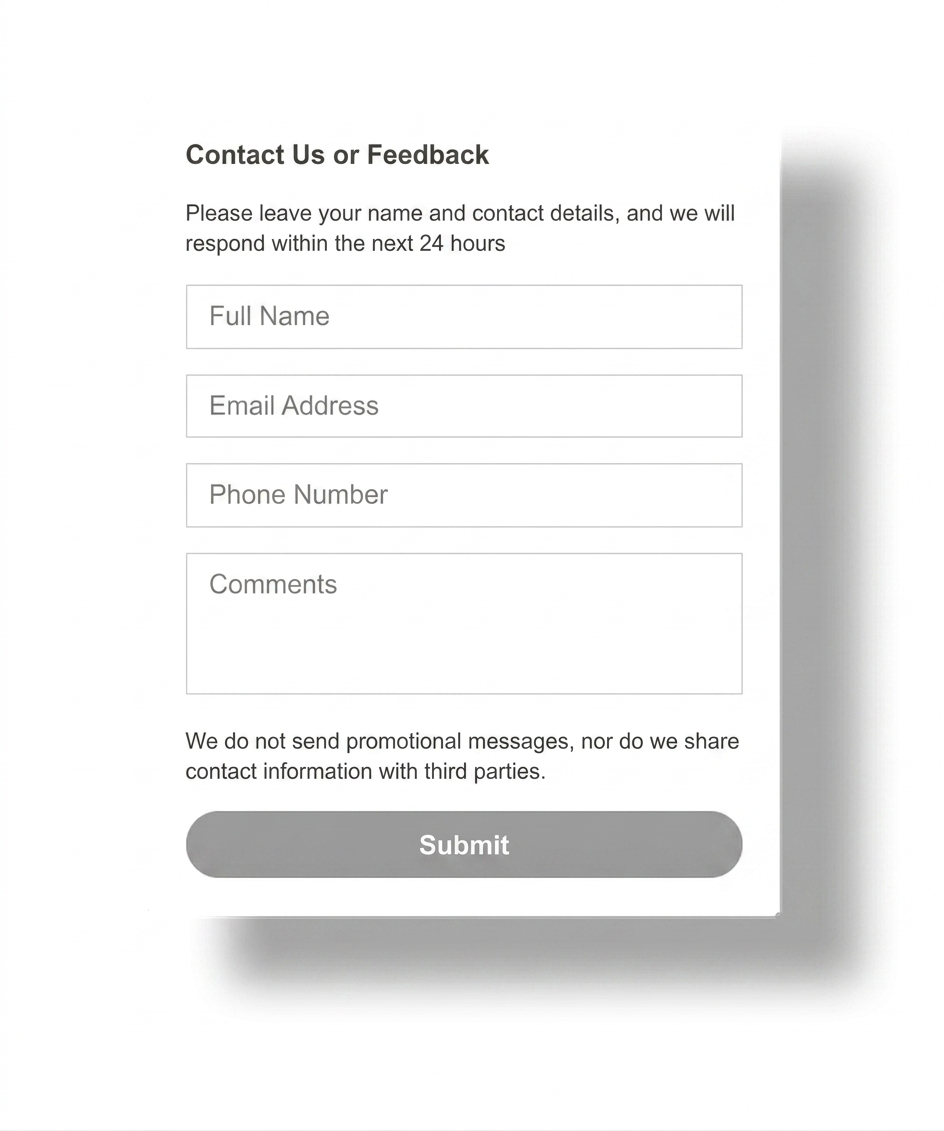
- Keep a fallback path such as a contact form for detailed requests.

Fast to launch
The best messenger widget should be live quickly, without turning simple customer contact into a long implementation task.

Easy to place
The best widget stays visible without covering forms, product CTAs, booking UI, or legal notices.

Mobile-friendly
The first click must stay obvious on small screens, where many visitors decide whether to message you or leave.

Platform-safe
If the widget works as one clean snippet, it is usually easier to maintain across WordPress, Shopify, Wix, Webflow, Joomla, and HTML sites.
WHAT THE BEST MESSENGER WIDGET SHOULD DO
Help the visitor reach you in one clean move
A good website messenger widget should remove hesitation. It should not feel like a crowded launcher, a support dashboard, or a decorative badge with no clear purpose.
If your audience mainly wants one direct channel, compare this page with the WhatsApp button setup guide. If you want a broader multi-button setup path, read How to add messenger buttons to a website.

PLACEMENT AND UX GUIDANCE
Where the messenger widget should live on the page
Bottom right is still the strongest default for many websites, but only if the widget stays easy to tap and does not block forms, add-to-cart actions, booking buttons, or consent prompts.
1
3
5

Keep the contact path short and obvious
OBJECTION HANDLING
The best widget is not always the one with the most channels
Some websites make the widget too broad because they want to cover every case. In practice, simple customer contact usually improves when the widget offers one clear first route and only a small number of true alternatives.
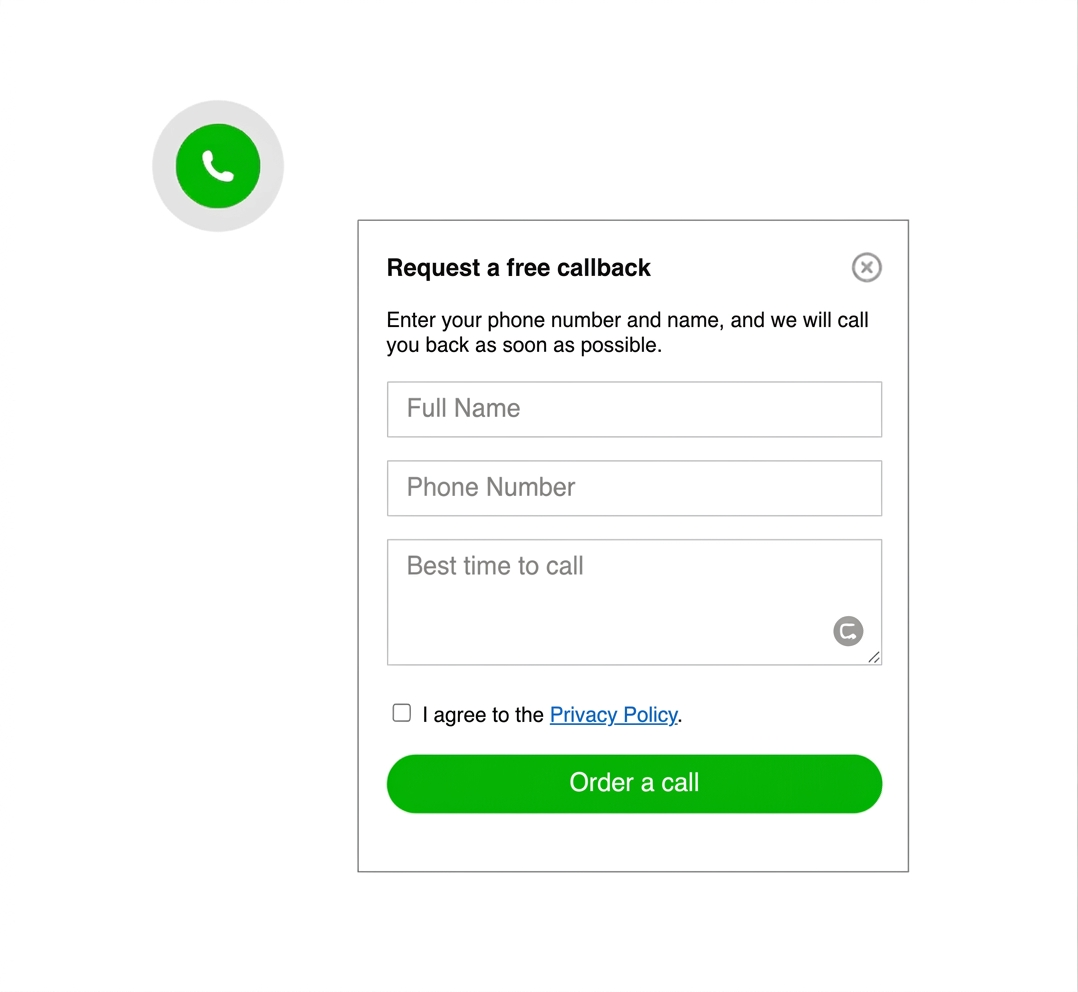
You can still keep a form, phone number, or booking path elsewhere on the page. The widget should simplify contact, not become a directory of every option you have.
COMMON MISTAKES TO AVOID
Do not let the messenger widget fight the page
keep it simple, not crowded
- Do not show six or seven channels in one tiny launcher.
- Do not place the widget over forms, sticky buy buttons, or cookie banners.
- Do not hide the primary contact option behind a vague icon only.
- Do not skip mobile testing after publishing.
- Do not choose a support-heavy tool if you only need simple customer contact.