
Messenger Widget vs Help Desk: What Should a Small Business Use?
For most small business websites, a messenger widget is the better first step when the goal is faster enquiries, simpler setup, and lower staffing pressure. A help desk makes more sense when your team handles repeated support requests, needs structured follow-up, or already has enough incoming volume to justify a heavier support workflow.
This guide is for owners, marketers, freelancers, and agencies deciding between a lightweight website contact layer and a more support-oriented setup. You will see which option fits small business traffic, how to launch it without coding, and where each choice works best.
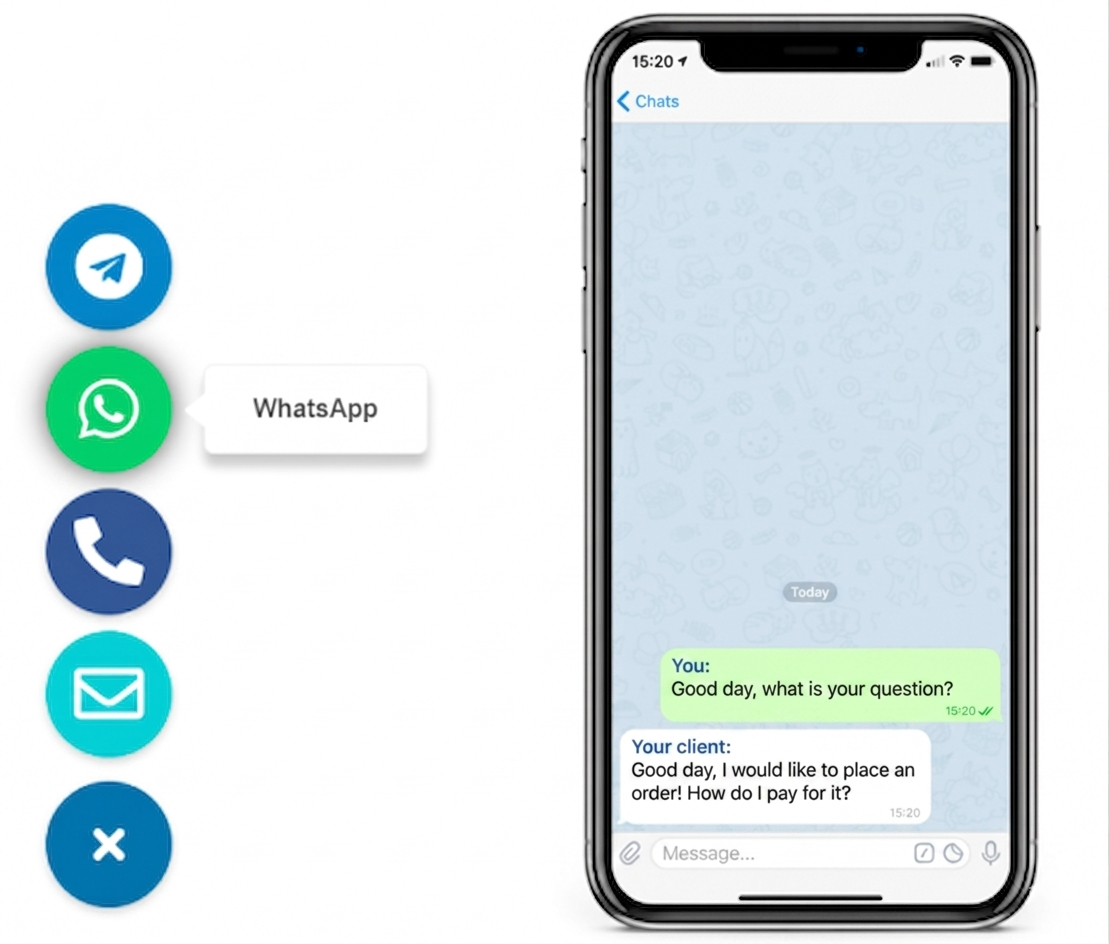
Quick answer
- Choose a messenger widget when you want faster contact, simpler launch, and fewer support-process demands.
- Choose a help desk when support volume, repeated issues, or ongoing follow-up need more structure.
- Do not show every contact tool with equal weight on every page.
- Match the tool to page intent, response capacity, and visitor expectations.
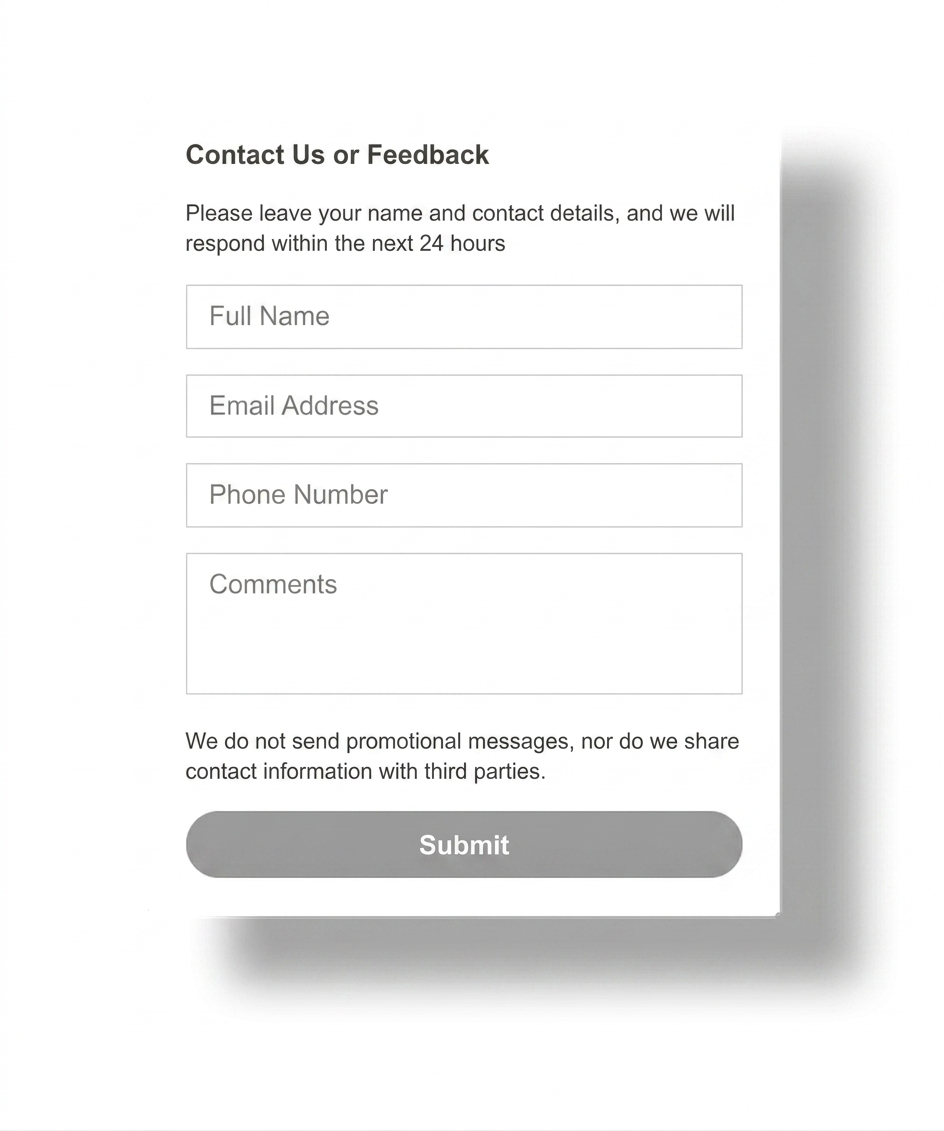
Why this matters
Can you compare a messenger widget and help desk without coding?
How to choose and set it up step by step
- List the pages where visitors ask short pre-sale questions versus pages that create repeated support issues.
- Estimate whether your team mainly needs faster first contact or a more structured support follow-up path.
- Start with a messenger widget if the goal is easier lead capture, mobile convenience, and faster message starts.
- Use a help desk when support requests are frequent enough to justify a dedicated process after the first interaction.
- Write clear CTA text so visitors know whether they will start a message or enter a support flow.
- Test mobile spacing, sticky elements, and response expectations before rolling the tool across the whole site.
Who usually benefits most from a messenger widget
- Local businesses that get many mobile-first enquiries and short pre-sale questions.
- Service companies with lean teams that want simpler website contact, not a full support desk.
- Freelancers and agencies that need quick lead capture without building a support workflow too early.
- Sites where visitors mainly need pricing, availability, or quote clarification rather than post-sale case handling.
If you are comparing contact methods more broadly, also read Chat Button vs Contact Form for Website Leads. If your main question is widget setup, see How to Add Messenger Buttons to Website.
Platform-specific guidance
- WordPress: keep the widget from covering menus, forms, or cookie notices.
- Shopify and Wix: test on sales pages first, not only on a support page.
- Webflow and Joomla: keep placement consistent across templates.
- HTML sites: avoid loading more than one competing contact widget.
- All platforms: keep support-heavy flows separate from fast first-contact pages when possible.
Placement and UX guidance
1
Keep the widget close to buying pages
Use the messenger widget on pricing, service, and product pages where a short question can unblock the next step.
2
Do not turn every page into support
A help desk path belongs where visitors need deeper problem resolution, not as the main visual action on every high-intent sales page.
3
Protect mobile usability
The contact entry should stay tappable without blocking sticky CTA bars, add-to-cart buttons, cookie banners, or bottom navigation.
Messenger widget vs help desk at a glance
| Factor | Help desk | Messenger widget |
|---|---|---|
| Best for | Teams handling repeated support issues, follow-ups, and ongoing customer service requests. | Small businesses that want fast first contact without building a full support workflow. |
| Primary visitor need | Problem resolution, support routing, and deeper case handling. | Quick questions, lead capture, quote requests, and simple pre-sale conversations. |
| Setup weight | Usually heavier because the support flow is broader and often depends on a fuller provider setup. | Usually lighter because one widget script can cover the first-contact layer on key pages. |
| Mobile experience | Can work well, but support-heavy interfaces often feel larger and more process-driven. | Usually cleaner for mobile because the entry is simpler and more message-oriented. |
| Staffing pressure | Higher, because support expectations grow once visitors see a dedicated help path. | Lower, because the goal is to start the conversation, not promise a full support process on-site. |
| Best page placement | Support, account, onboarding, or post-sale pages where visitors need structured help. | Service, pricing, product, and contact-oriented pages that need low-friction first contact. |
| Best first step for most small businesses | Usually later, once support volume is consistent enough to justify the workflow. | Usually earlier, because it solves website contact without forcing a bigger support stack. |
Should you choose one or keep both?
Common mistakes
Adding help-desk complexity before support volume exists
A heavier support setup can slow launch and create more admin overhead than the website actually needs.
Using the same contact tool on every page
Visitors behave differently on pricing, product, support, and quote pages. The contact layer should reflect that.
Mixing multiple overlapping widget actions
If the page offers too many similar chat-style options, people hesitate instead of choosing the obvious next step.
Testing only on desktop
Small business leads often come from mobile. If the widget overlaps key controls, conversion drops fast.
- Start with a messenger widget if your main goal is faster first contact.
- Use a help desk only when support volume is high enough to justify a separate process.
- Keep one primary contact action per page instead of stacking similar tools.
- Test mobile overlap with sticky bars, menus, and checkout controls.
- Keep a fallback path for detailed requests, support cases, or off-hours enquiries.
Frequently asked questions about messenger widget vs help desk
Messenger widget vs help desk: which is better for a small business website?
A messenger widget is usually better for faster first contact and simple lead capture. A help desk is better when the website already creates enough support traffic to need a more structured workflow.
Can I add a messenger widget or help desk without coding?
Yes. Most small business websites can add either option with a hosted script, plugin, widget snippet, or platform app without rebuilding the site.
Will a messenger widget and help desk entry work on mobile and desktop?
Yes, if you test both layouts. The contact entry should stay visible without blocking sticky bars, menus, add-to-cart areas, or other conversion controls.
Should I use a plugin, script, or platform app for this setup?
Use the lightest option your platform supports. A script-based messenger widget is often the simplest route, while a help desk more often depends on a platform app or embedded provider setup.
Is a help desk better than a messenger widget for support-heavy websites?
Often yes. If the site generates repeat issues, account questions, or frequent service requests, a help desk usually gives more structure than a simple first-contact widget.
Should a small business use both a messenger widget and a help desk?
Sometimes, but only when each tool has a clear role. Many small businesses keep one messenger widget for pre-sale contact and a separate help path for deeper support after the conversation starts.
Need the simpler fast-contact option?
Launch a cleaner messenger widget, give visitors a familiar way to start a conversation, and keep your website contact flow easier to manage before you invest in a heavier support stack.