
Floating Chat Widget vs Popup Chat
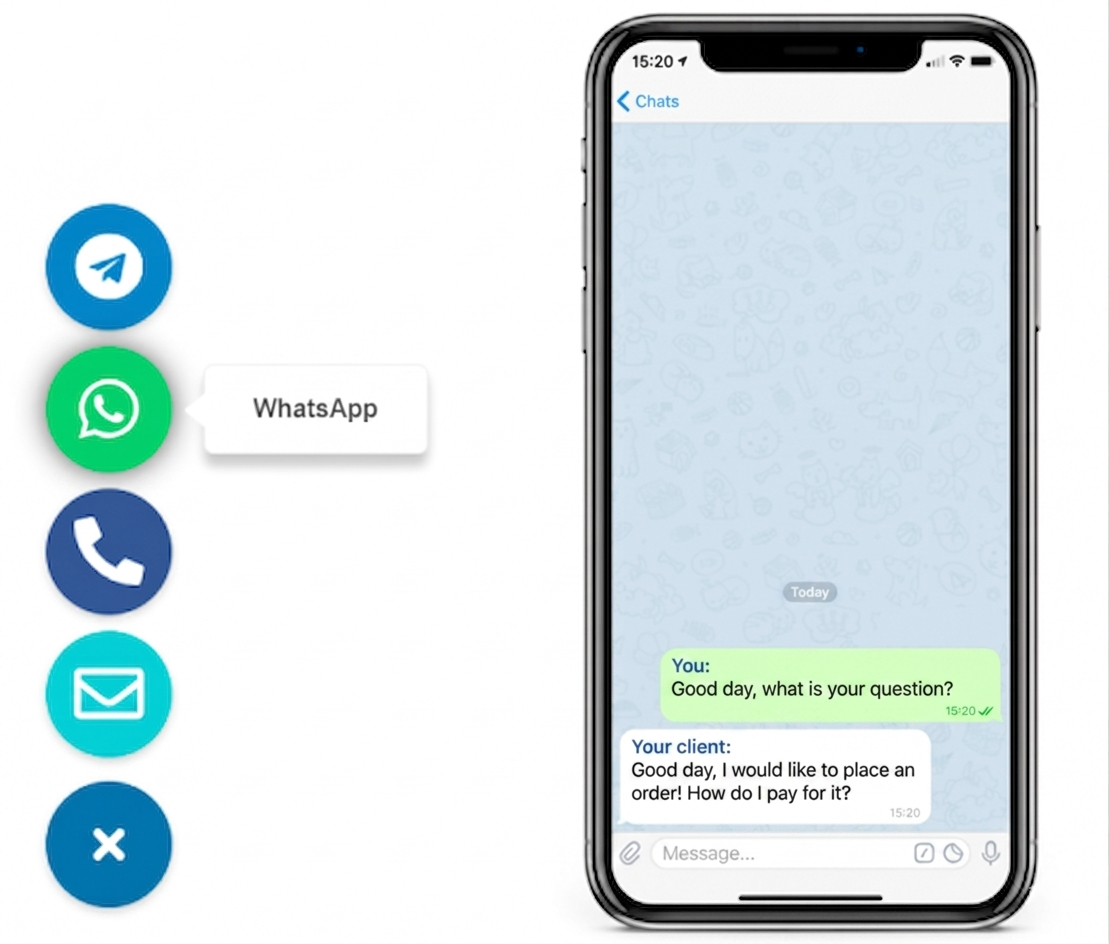
A floating chat widget usually works better because it stays available without interrupting the page, letting visitors open it when they are ready. Popup chat can still help when you need a timed prompt or contextual nudge, but it creates more friction if it appears before the visitor has enough intent.
This guide is for site owners, marketers, freelancers, and agencies comparing a persistent contact launcher with an interruptive popup. You will see which option fits faster contact, what no-code setup looks like, and how to avoid hurting mobile UX or conversion.
Quick answer
- Choose a floating chat widget when you want a visible but non-intrusive contact path.
- Use popup chat only when timing and context justify interrupting the visitor.
- On mobile, persistent widgets are usually easier to control than popups.
- Do not run a popup and a floating widget as two competing primary chat prompts.
Why this matters
Can you test a floating chat widget vs popup chat without coding?
How to choose and set it up step by step
- Identify the pages where visitors need quick contact and the pages where they still need time to read before they act.
- Start with a floating chat widget as the default because it stays present without forcing interaction.
- If you want to test popup chat, define one trigger such as exit intent, time on page, or repeat visits instead of showing it instantly.
- Write clear launcher or popup copy so visitors know whether they are opening a chat widget or receiving a proactive prompt.
- Test the behavior on mobile first, especially spacing, overlap, scroll position, and dismissal.
- Keep one primary chat action per page and measure whether the popup adds real value or only more noise.
When the floating widget usually wins
- Visitors want to ask a question on their own terms instead of being interrupted.
- The site already has enough motion, banners, or sticky elements competing for attention.
- Most traffic comes from mobile, where screen space is limited and interruptions feel heavier.
- You want a simpler contact pattern that is easier to place across many page templates.
For direct setup guidance, also read How to Add a Chat Widget to Your Website Without Coding and Floating Chat Widget for Website.
Platform-specific guidance
- WordPress: test z-index and avoid covering forms or menus.
- Shopify and Wix: validate the first view on collection, product, and checkout-adjacent pages.
- Webflow and Joomla: control popup frequency by template, not only globally.
- HTML sites: start with one floating widget before adding interruptive behavior.
Placement and UX guidance
1
Keep the widget visible, not dominant
A floating widget should be easy to find without covering key CTAs, menus, or form fields.
2
Trigger popups late, not instantly
Popup chat performs better when it reacts to context instead of appearing before the visitor understands the page.
3
Protect mobile reading space
On small screens, both the launcher and the popup need enough breathing room around sticky bars, cookie banners, and bottom navigation.
Floating chat widget vs popup chat at a glance
| Factor | Popup chat | Floating chat widget |
|---|---|---|
| Best for | Timed prompts, re-engagement, or context-driven nudges that justify interruption. | Persistent, self-directed contact that stays available across the visit. |
| User control | Lower, because the chat appears on its own. | Higher, because visitors decide when to open it. |
| Mobile experience | Riskier if it blocks content or appears before the visitor has intent. | Usually cleaner when sized and positioned carefully. |
| Setup effort | Higher when you add triggers, frequency rules, and dismissal logic. | Lower when you only need a persistent launcher and a clean reply path. |
| Conversion role | Can boost engagement in specific moments, but can also reduce trust if overused. | Supports quick contact with less interruption and fewer UX side effects. |
| Main risk | Interrupting too early and making the page feel pushy. | Making the launcher too subtle or placing it where it overlaps other controls. |
When is popup chat worth testing anyway?
Common mistakes
Launching popup chat on first load
If the prompt appears before the visitor understands the page, it feels like noise instead of help.
Running two competing chat patterns
A floating widget plus popup chat can overwhelm the page when both are treated as primary actions.
Ignoring mobile overlap
Widgets and popups often collide with sticky bars, consent banners, bottom navigation, or add-to-cart controls.
Using popup timing without page intent
A generic delay is not enough. The trigger should match what the visitor is actually trying to do on that page.
- Start with a floating widget if you want the safer default for usability.
- Use popup chat only with a specific trigger and a clear reason to interrupt.
- Keep one main chat action per page.
- Test both behaviors on mobile before rolling them out broadly.
- Review placement, copy, dismissal, and overlap before judging conversion impact.
Frequently asked questions about floating chat widget vs popup chat
Floating chat widget vs popup chat: which works better?
A floating chat widget usually works better because it stays available without interrupting the visitor. Popup chat can work when the timing is deliberate and the prompt matches a real moment of hesitation.
Can I add a floating chat widget or popup chat without coding?
Yes. Most sites can test both patterns with a hosted script, widget snippet, or platform app.
Will floating chat widgets and popup chat work on mobile and desktop?
Yes, but mobile needs stricter testing. The widget should stay tappable, and the popup should not block the first screen or key controls.
Should I use a plugin, script, or app for this setup?
Use the lightest option your platform supports. A script-based floating widget is often the easiest first test, while popup chat usually needs more rules and a heavier provider.
Is popup chat better than a floating widget for lead generation?
Sometimes, but only when it appears at the right moment and helps the visitor move forward. If it interrupts too early, the floating widget is usually the better choice.
Should I use both a floating widget and popup chat on the same page?
Usually no. One clear contact path is easier to understand and keeps the page calmer.
Need the cleaner chat entry point?
Start with a floating widget that stays visible, feels lighter than popup chat, and gives visitors a simple way to begin a conversation when they are ready.